Signs You May Need a Dental Crown
A dental crown is one of the most common restorative treatments used in modern dentistry. Crowns are designed to strengthen damaged teeth, restore their appearance, and protect them from further complications.
While many patients associate dental crowns with severely damaged teeth, there are several situations where a crown may be the best long-term solution. Recognizing the signs early can help preserve your natural tooth structure and prevent more extensive treatment later.
At
South Coast Dental Studio, we help patients restore both the function and appearance of their smiles through customized dental crown treatment.
What Is A Dental Crown?
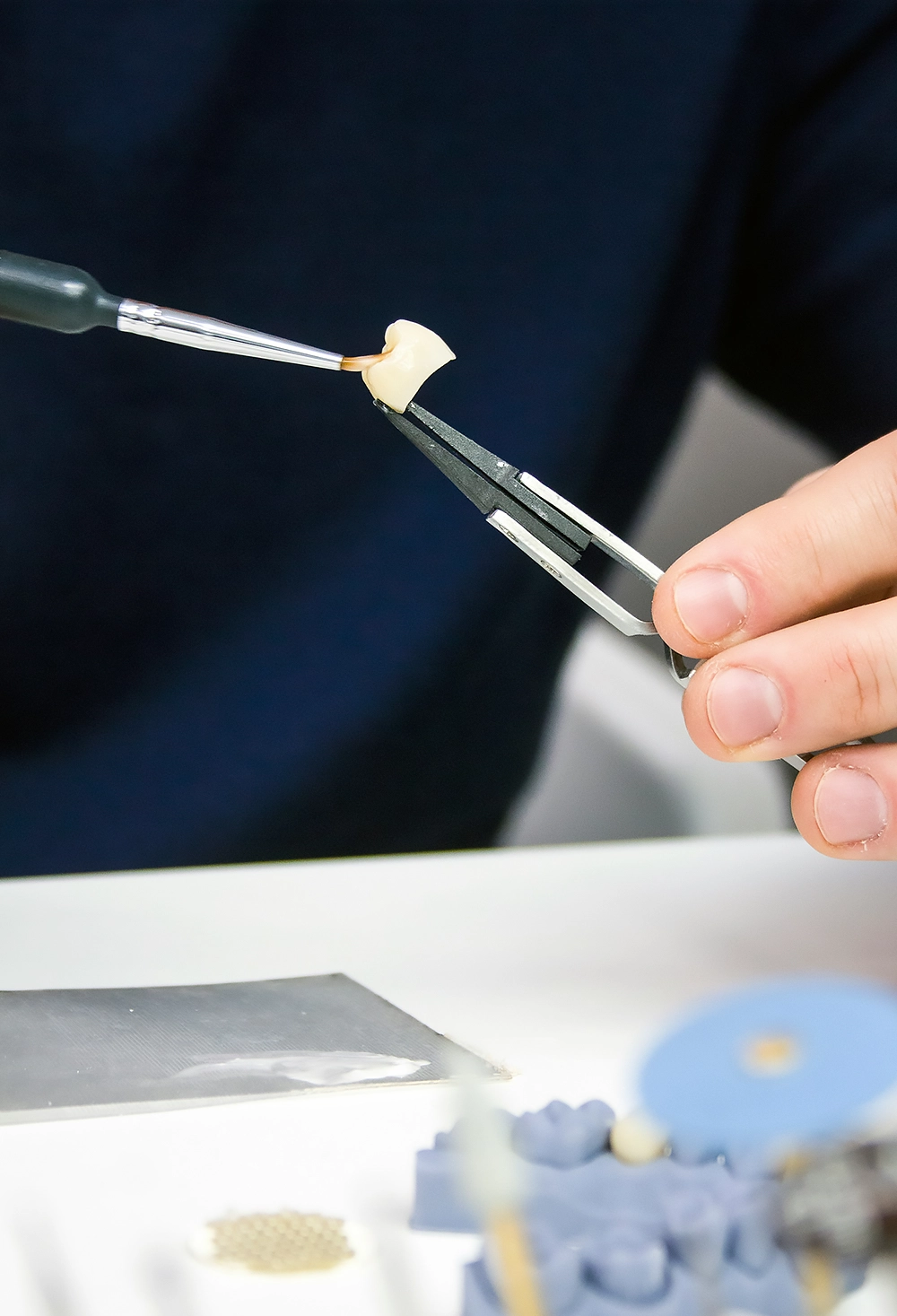
A dental crown is a custom-made restoration that completely covers the visible portion of a damaged tooth. Unlike fillings, which repair only a portion of the tooth, a crown protects the entire structure above the gumline.
Dental crowns can be made from various materials, including porcelain, ceramic, zirconia, and metal alloys. Modern crowns are designed to blend naturally with surrounding teeth while providing exceptional durability.
1. You Have A Cracked Tooth
Cracked teeth can become increasingly vulnerable to further damage. Even small cracks may expand over time due to normal chewing forces.
A dental crown helps hold the tooth together and reduces the risk of the crack worsening.
- Protects weakened tooth structure
- Reduces fracture risk
- Restores normal chewing function
- Provides long-term stability
2. A Large Filling Is Failing
Large fillings can weaken the remaining tooth structure over time. When a significant portion of a tooth has already been restored, a filling may no longer provide enough support.
In these cases, a crown often becomes the most reliable option for protecting the tooth and preventing future fractures.
Many patients are surprised to learn that replacing a failing filling with a crown can significantly extend the life of the tooth.
3. You Experience Pain While Chewing
Pain or discomfort when biting down may indicate structural damage inside the tooth. Cracks, weakened enamel, or previous dental work can contribute to sensitivity and discomfort.
A dental examination can determine whether a crown is needed to stabilize the tooth and relieve symptoms.
Common warning signs include:
- Sharp pain while chewing
- Sensitivity to pressure
- Intermittent discomfort
- Pain when releasing a bite
4. Your Tooth Is Severely Worn Down
Teeth can become worn due to grinding, clenching, acid erosion, or years of normal use. Excessive wear may affect both appearance and function.
Dental crowns can restore:
- Proper tooth shape
- Bite alignment
- Chewing efficiency
- Overall smile aesthetics
Patients who suffer from chronic teeth grinding often benefit significantly from crown restorations.
5. You Recently Had A Root Canal
One of the most common reasons for receiving a dental crown is following root canal treatment.
Although a root canal removes infection and saves the natural tooth, it can also leave the tooth more brittle and susceptible to fracture.
For this reason, dentists frequently recommend crowns after root canal therapy to provide additional protection.
A crown helps preserve the treated tooth for many years while restoring full functionality.
6. Your Tooth Has Cosmetic Damage
In some situations, crowns can also improve the appearance of teeth affected by:
- Severe discoloration
- Large chips
- Misshapen teeth
- Extensive wear
- Old restorations
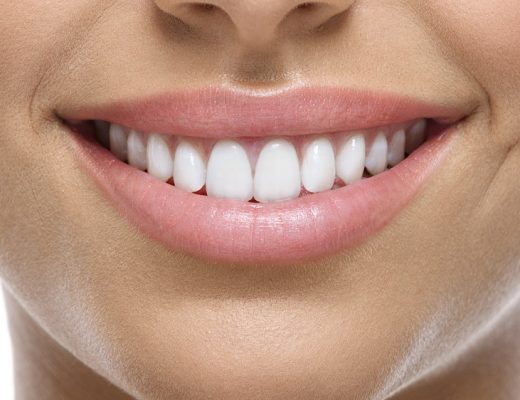
Modern porcelain crowns can dramatically improve the appearance of a smile while maintaining a natural look.
Benefits Of Dental Crowns
Dental crowns provide both cosmetic and functional advantages.
- Strengthen weakened teeth
- Restore natural appearance
- Improve chewing ability
- Protect against future damage
- Provide long-lasting durability
- Support overall oral health
When properly cared for, many crowns can last well over a decade.
How Long Does A Dental Crown Last?
The lifespan of a crown depends on several factors, including oral hygiene, material selection, and daily habits.
Most high-quality crowns last between 10 and 15 years, although many patients enjoy successful results for much longer.
To maximize longevity:
- Brush twice daily
- Floss regularly
- Avoid chewing hard objects
- Wear a night guard if you grind your teeth
- Attend regular dental checkups
Frequently Asked Questions
Does getting a crown hurt?
Modern crown procedures are performed using local anesthesia, making treatment comfortable for most patients.
Can a crown look natural?
Yes. Modern porcelain and ceramic crowns are designed to closely match the color and appearance of natural teeth.
How long does the procedure take?
Most crown treatments require two appointments, although some offices offer same-day crowns using advanced technology.
Can a crown prevent tooth extraction?
In many cases, yes. A crown can strengthen and protect a damaged tooth, helping preserve your natural smile.
Final Thoughts
Dental crowns play a critical role in restoring damaged teeth and preventing future complications. Whether you’re experiencing pain, dealing with a cracked tooth, or recovering from root canal treatment, a crown may be the ideal solution for protecting your smile.
At
South Coast Dental Studio, we provide personalized crown treatment designed to restore both function and confidence. If you believe a damaged tooth may require attention, scheduling a professional evaluation is the best first step toward long-term oral health.
Comments :
No comments yet